“A New Option (Transdermal Estradiol) for Prostate Cancer Patients" (Richard Wassersug, PhD) [#201]
Brad Power
July 8, 2026
“Most of the bothersome side effects of ADT are not due to loss of testosterone, but rather from the loss of estradiol, which is normal in men. We men make our estradiol from testosterone. That is common. We naturally have both testosterone and estradiol in our bodies, and it's a very simple conversion, one step, to get from testosterone to estradiol. When ADT crashes our testosterone, presumably to control our cancer, it also crashes our estradiol, and then we have the same menopausal symptoms that women experience. An alternative to avoid the side effects of ADT is simply to use high dose transdermal estradiol for ADT itself.” – Richard Wassersug, PhD
“The side effects of standard ADT can greatly reduce the quality of life, not just of the patients, but also their partners. There is thus a growing need for ADT treatments that not only provide good cancer control for the patients, but also help both prostate cancer patients and their partners maintain a strong co-supportive bond. From day one, I've been concerned about not only how these drugs affect me, but how they affect my partner.” – Richard Wassersug, PhD
“Several of us have gotten together to try to make transdermal estradiol more available, and that is the Estradiol Initiative. You can look up Estradiolinitiative.org. Our mission is to make transdermal estradiol products available to men who need ADT. We seek products that match the safety and testosterone suppressing performance of all FDA-approved and injury suppressing medications currently available in North America.” – Richard Wassersug, PhD
Abstract
Androgen Deprivation Therapy (ADT) reduces testosterone to control prostate cancer, but also crashes the estradiol men naturally produce, triggering menopausal symptoms that degrade quality of life for both patients and partners. To bypass these side effects, the Estradiol Initiative advocates for high-dose transdermal estradiol, a well-tolerated alternative that effectively suppresses testosterone while preserving estrogen-related health.
Meeting Summary
Androgen Deprivation Therapy (ADT) is a standard treatment for men with systemic prostate cancer. By reducing levels of male hormones, such as testosterone, ADT shrinks tumors or slows their growth. While highly effective at delaying disease progression, ADT causes a wide range of side effects that severely impair a patient's quality of life.
Transdermal estradiol patches and gels offer a compelling alternative. While traditionally used to treat menopausal symptoms in women, estradiol delivered through the skin suppresses testosterone in men while maintaining healthy estrogen levels. This approach can eliminate or significantly reduce the most bothersome side effects of standard ADT drugs (such as Lupron, Zoladex, Firmagon, and Orgovyx), including bone density loss, hot flashes, and metabolic or cardiovascular issues. Furthermore, transdermal estradiol can be two orders of magnitude less expensive than traditional ADT medications.
Although transdermal estradiol is not currently FDA-approved or included in the NCCN guidelines for prostate cancer, it is legally available "off-label," and a growing number of physicians are prescribing it.
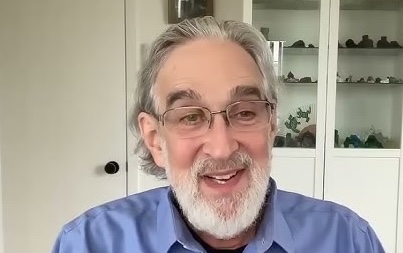
Richard Wassersug, PhD, is uniquely qualified to lead a discussion of this therapy, blending the perspectives of both a scientist and an advanced prostate cancer patient. He has successfully managed his own prostate cancer using transdermal estradiol for over 22 years. Dr. Wassersug is an Honorary Professor at the University of British Columbia, co-founder of the Estradiol Initiative, and a leading researcher on the physiological and psychosocial impacts of hormone therapies, including as co-lead for the ADT Education Program (https://www.lifeonadt.com/). His authority in the field is further established as the lead author of Androgen Deprivation Therapy: An Essential Guide for Prostate Cancer Patients and Their Loved Ones.
Why should you consider transdermal estradiol for prostate cancer?
Proven effectiveness: A major trial in the New England Journal of Medicine showed high-dose estradiol patches control cancer just as well as standard ADT injections.
Better quality of life: Unlike standard ADT, estradiol patches help protect bone density (lowering osteoporosis risk), reduce joint pain, improve sleep, and cause fewer hot flashes.
Cognition and energy: Patients using patches report less daytime fatigue and fewer cognitive issues, commonly known as "brain fog."
Intimacy: Estradiol can help preserve energy, libido, and some sexual function, which can reduce relationship stress and improve psychosocial well-being for both patients and partners.
Cost: Estradiol patches are a widely available, low-cost generic medication. They are often significantly cheaper than brand-name ADT injections or oral pills.
What are key limitations and downsides of using transdermal estradiol to treat prostate cancer?
Breast changes: Causes common breast swelling and tenderness (gynecomastia).
Hormonal recovery delay: Delays or blocks natural testosterone return after stopping therapy.
Guideline and liability gaps: Missing from North American guidelines, making clinicians reluctant to prescribe it off-label.
Access: Facing global manufacturing shortfalls, with some trial-tested patches completely unavailable commercially.
Dosing and protocol confusion: Lacks standardized patch conversion protocols and long-term data on sleep or cognitive impacts.
Financial: Often requires full out-of-pocket payment due to insurance denials.
Logistics: Strict, multi-weekly patch rotation schedules.
What can you do if you want to try transdermal estradiol for your prostate cancer?
Prepare for your doctor visit: Review the Estradiol Initiative resources (papers, patch conversion tables) and bring recent PSA, DEXA (bone density), and cardiac/metabolic history.
During the visit: State your goals (reduce hot flashes, bone loss, brain fog), show the key references, and ask the clinician what tests/monitoring they’d require (PSA, labs, DEXA, cardiovascular evaluation). Discuss side effects (e.g., gynecomastia) and how you’ll monitor them. Ensure cardiac risk assessment and bone density monitoring are in place.
If your doctor declines: Ask why, request a referral to a urologist/oncologist willing to consider off-label estradiol, and offer the Initiative’s FAQs/conversion information for review.
Access and cost: Expect possible out-of-pocket costs and variable patch availability. (The Estradiol Initiative can advise on product options and conversions.)
How can you learn more about using transdermal estradiol for prostate cancer care?
Review the Estradiol Initiative resources
Contact Richard Wassersug at richard.wassersug@ubc.ca
Read these articles:
Ask questions of “Ask Navis” on the Cancer Patient Lab website
Join the conversation on our prostate cancer discussion space here
The information and opinions expressed on this website or platform, or during discussions and presentations (both verbal and written) are solely for educational purposes and are not intended as health care recommendations or medical advice by Cancer Patient Lab, its principals, presenters, participants, or representatives for any medical treatment, product, or course of action. You should always consult a doctor about your specific situation before pursuing any health care program, treatment, product or other course of action that might affect your health.
For the video recording, please see here.
For the slides, please see here.
For a transcript of the conversation, please see here.